

#SundayGunday: CZ 600+ ST3 American
Find out why the new CZ 600+ ST3 American could be the perfect rifle for your Louisiana hunting trips.
November 2, 2026 · Read at American Hunter →Understanding the ways feral hogs move across Acadiana and why a single method like trapping cannot control them alone.

Feral swine travel along waterways, hitch rides on farm equipment, and move through fragmented habitats that connect rural fields to suburban yards. Their natural curiosity and ability to cover several miles each night let them colonize new areas quickly, especially when food sources such as corn, trash, or garden produce are abundant.
A single trap may catch a few animals, but the population can produce a litter of ten piglets every six months. Even a well‑placed trap does not stop breeding groups from repopulating the same spot, and many hogs learn to avoid unfamiliar devices. Relying only on trapping leaves large numbers of animals free to continue damaging crops, wetlands, and native vegetation.
Effective control in Acadiana combines trapping with coordinated hunts, fencing, and habitat management. When hunters, veterans, and volunteers work together, they can remove mature breeding hogs, reduce food attractants, and monitor movement patterns. This teamwork also creates a supportive environment for veterans, offering purpose and camaraderie that can help offset the 23 veterans a day lost to suicide in this country.
By pairing community hunts with strategic trapping and ongoing land stewardship, the damage that costs Louisiana about 76 million dollars each year can be lessened. The shared effort protects farms, preserves wildlife, and provides a meaningful way for veterans and volunteers to give back to the land they love.
Posted September 2, 2026 by Troops & Tusks.
Find out why the new CZ 600+ ST3 American could be the perfect rifle for your Louisiana hunting trips.
November 2, 2026 · Read at American Hunter →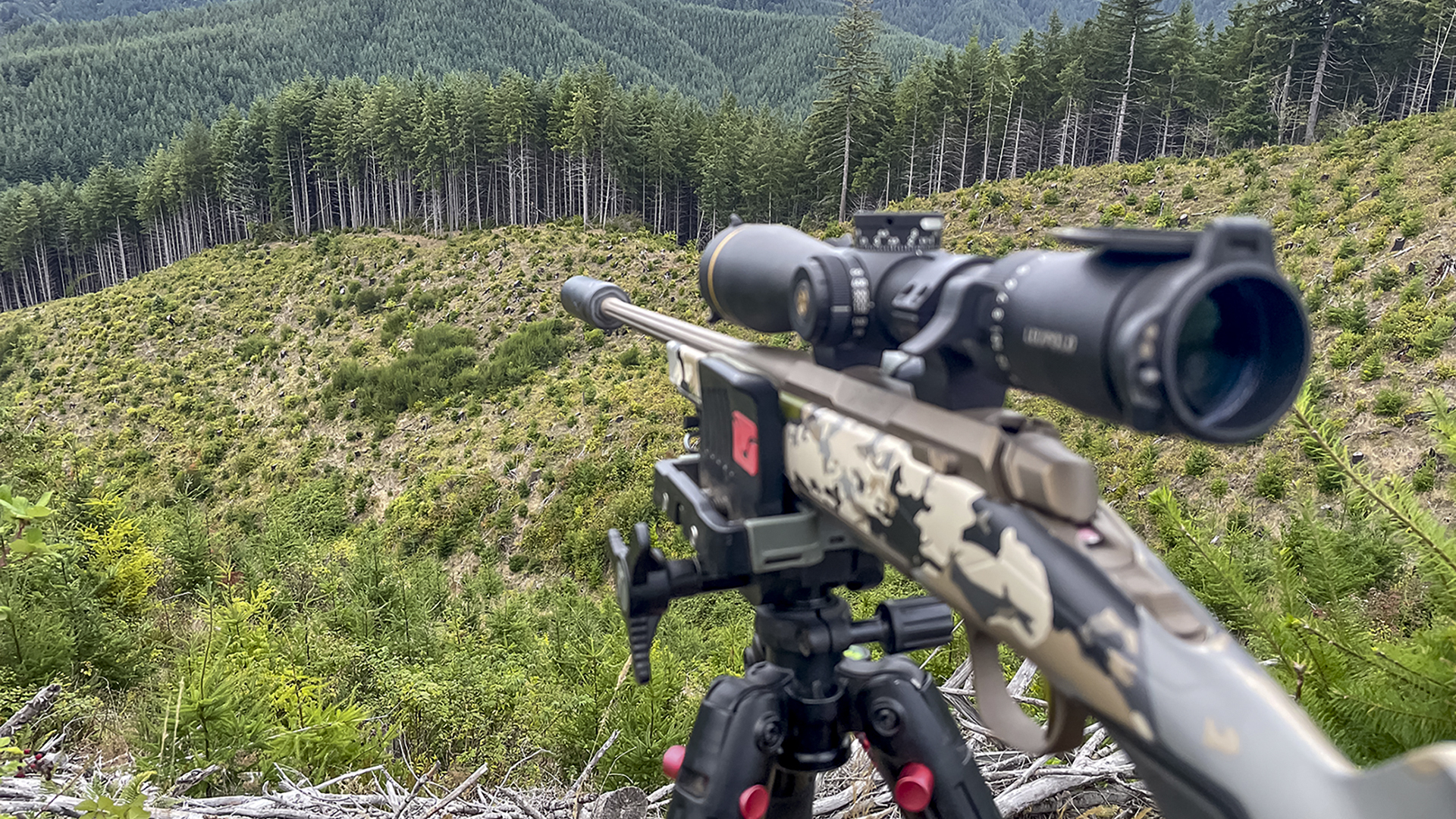
Discover proven tips from veteran elk hunters that can boost your success on public lands and enhance your outdoor pursuits.
November 2, 2026 · Read at American Hunter →
Find out which rifles offer the pinpoint accuracy essential for taking down tough hogs and improving your hunt.
November 2, 2026 · Read at Field & Stream →